


FAQs About Plastic Barriers
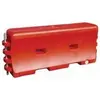
For your next project requiring a plastic or water barrier rental, trust United Rentals. Our inventory includes a variety of MASH-tested plastic jersey barrier rentals, including TL-1, TL-2 and TL-3 rated systems from trusted manufacturers like TrafFix. These interlocking plastic barrier systems, also known as water wall barriers, feature high-density polyethylene plastic construction to minimize cracking and breaking. Many models are FHWA-accepted and feature internal steel cables to help envelop vehicles after impact. Features like a double-wall knuckle design and 30-degree pivot hinges allow for easy setup and versatile configurations. With large 8-inch fill holes and tamper-resistant drain plugs, filling and draining are quick and simple. When empty, the barriers are easily moved with forklifts or pallet jacks using the molded-in slots, making them ideal for temporary crowd management, construction site closures and emergency traffic direction.
Learn more about our plastic barrier rentals in our FAQ section below.
Water-filled barriers absorb impact by allowing the water inside to move and dissipate the kinetic energy from a crash. The polyethylene plastic shell is designed to flex, and the displaced water absorbs the force over a longer period than a rigid concrete barrier. This process often results in less vehicle rebound and can provide a safer outcome for vehicle occupants.
Our plastic water-filled barriers are designed for efficient setup. They feature large 8-inch fill holes to speed up the filling process, which can be done with a standard water hose. For draining, they have tamper-resistant, offset drain plugs. Simply open the plug to let the water out.
For safety and efficiency, water-filled barriers should only be moved when they are empty. Once filled, their weight makes them unsafe to reposition. When empty, our plastic barriers are designed for easy movement using the molded-in slots for forklifts and pallet jacks. Proper placement is critical to ensure the barrier performs to its certified, crash-rated standard. Before filling, ensure the barrier placement complies with its specific MASH-tested or FHWA-accepted speed rating for the roadway. Always consult local municipal permit rules for any additional requirements.